SUBA DENTAL
Ahol az új mosolyok születnek
Rendelőnkben mindenki azon dolgozik, hogy ne csak jó minőségű fogorvosi ellátásban részesüljenek pácienseink, hanem megnyugtató, tiszta környezetet is biztosítsunk számukra. Egy fogorvosi rendelőben a jó közérzethez és nyugodt légkörhöz elengedhetetlen követelmény a maximális tisztaságra való törekvés.


Implantálás, fogbeültetés
Ha Önnek egy vagy akár több foga hiányzik, már a rágás is gondot okozhat, nem is beszélve az esztétikai hiányosságról. Manapság már sokféle módja van annak, hogy pótoljuk a hiányzó fogakat. Vissza tudjuk visszaállítani a tökéletes rágófunkciót vagy akár még szebbé tehetjük természetes mosolyát.
A hiányzó fogak pótlása „műgyökér” beültetéssel (implantálás), ép fogak csiszolásával (híd készítésével) vagy kivehető fogsor készítésével oldható meg. Ezek közül az implantáció a legmodernebb eljárás a fogpótlások készítésére, amelynek során több fog is pótolható implantátumokra rögzítve anélkül, hogy az egészséges (szomszédos) fogakat lecsiszoljuk. Rendelőnkben a Straumann implantátumokat használjuk.
Implantátum, korona, felépítmény
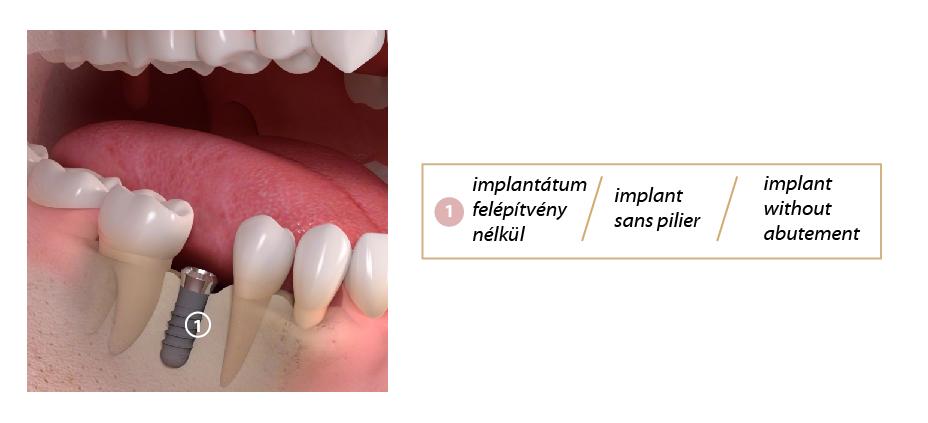
A fogászati implantátum egy olyan titánium csavar, ami a felső vagy az alsó állcsontba beültetve új foggyökérként működik. 3-6 hónap gyógyulási idő után az implantátum beépül a csontba (osszeointegráció), és ezáltal biztonságos rögzítő elemmé válik egy korona, rögzített híd, vagy akár egy kivehető protézis esetén.
Egy hiányzó fog pótlása implantátummal 3 részből áll:
- implantátum (fogbeültetés, azaz a sebészeti fázis)
- implantátum felépítmény, abutment (az a titánium csonk, amit a fogorvos becsavar az implantátumba, melyre később ráhelyezi a koronát vagy hidat = protetikai fázis)
- implantátum korona vagy implantátum híd (a koronát vagy hidat az előző fázisokban behelyezett implantátumból és felépítményből álló alapra helyezzük = protetikai fázis)

Ki kaphat fogászati implantátumot?
Minden egészséges ember, akinek egy, vagy több foga hiányzik, kaphat implantátumot. Kizáró tényező lehet: a súlyos, kezeletlen cukorbetegség, előrehaladott csontritkulás, biszfoszfonát kezelés alatt álló betegek (pl. daganatos betegek), az erős dohányzás, rossz szájhigiénia. Az implantáció lehetővé teszi a hiányzó fogak pótlását, hogy utána a páciens újra kényelmesen, biztonságosan mosolyogjon, beszéljen és egyen.
Mennyi ideig tart a műtét és mikor kapom meg a végleges koronámat?
A rendelőnkben 90%-ban a kétfázisú implantációs technikát részesítjük előnyben, a rizikók minimalizálása érdekében. Szeretünk a teljesen begyógyult csontba és ínybe implantálni! Az első műtét során behelyezzük az implantátumot az állcsontba. A második fázisban 3-6 hónap múlva az implantátum kiegészül egy felépítménnyel, amire a természetes fogszínű korona fog kerülni. Egy fog beültetése általában 10-20 perc alatt van kész helyi érzéstelenítésben. Amennyiben a páciens fél a fogorvostól, úgy rendelőnkben lehetőség van éber szedálásra is, így a dentofóbia sem akadálya a beavatkozásnak. A gyógyulási idő, az osszeointegráció 3 hónapig tart, mialatt az implantátum begyógyul a csontba. Ha csontpótlásra is szükség van, akkor a gyógyulási idő is tovább tart, általában 6 hónap.
Kilökődhet-e az implantátum a szervezetből?
Igen, ez előfordulhat. A kilökődés főbb okai: a rossz szájhigiénia, az ideiglenes kivehető fogsor viselése (a fogsor feltörheti az ínyt, a nagy nyomás miatt csökken a csont vérellátása és felszívódhat az implantátum nyaka körül az íny), illetve az erős dohányzás. Mivel az implantátum titánból készül, ami egy biokompatibilis anyag, nem okoz allergiát és teljesen gyulladásmentesen képes beépülni a csontba.
Mennyire fájdalmas a beavatkozás?
A beavatkozás helyi érzéstelenítésben vagy éber szedálásban történik, ezért a kezelés egyáltalán nem fájdalmas. Ha éber szedálásban történik a műtét, a beteg végig eszméleténél van, de semmire sem fog emlékezni! Az érzéstelenítő hatása 1-2 óra múlva elmúlik. Ilyenkor a tőlünk kapott fájdalomcsillapítóval tudja csökkenteni a fájdalmat. Betegeink elmondása szerint erre nincs is minden esetben szükség. Gyakran elég a hideg borogatás.
Fogok kapni gyógyszereket a műtét után?
Igen, a páciensek mindig kapnak a műtét után antibiotikumot, fájdalomcsillapítót, gyulladáscsökkentőt és szájöblítőt. Ezek kiválasztásakor természetesen figyelembe vesszük a lehetséges gyógyszerérzékenységet, gyógyszerallergiáikat.
Tudok viselni ideiglenes protézist a műtét után?
Igen. A régi kivehető ideiglenes protézis egy puha anyaggal való alábélelés után tovább viselhető, de természetesen új ideiglenes kivehető fogsor is készíthető. Azt viszont tudni kell, hogy szerintünk a legnagyobb ellensége az implantátumnak egy kivehető fogpótlás, ami képes egyenlőtlen erőkkel nyomni és irritálni az ínyt a beültetett implantátum felett. A nagy nyomás miatt csökken a vérellátás, ami csontfelszívódást okozhat, a célunk pedig éppen a csontképződés. Kérjük, ha készül is ideiglenes kivehető fogsor csak mosolygásra használja, minél kevesebbet hordja, otthon mindig vegye ki és minden evés után tisztítsa meg öblítéssel, fogkefével, fogkrémmel!
Természetesnek fognak tűnni az új fogaim?
Igen, az új fogai természetesnek fognak tűnni. Sokszor azonban előfordul, hogy nincs elegendő csont az állcsontban, fertőzések, csontleépülés, fogágybetegség, baleset stb. következtében. A nagy csonthiány miatt pedig az implantátum sem ültethető be az ideális helyre, a régi fog gyökerének a helyére. Emiatt lehet, hogy a híd formája és a korona nyaka nem pont olyan, mint amilyet a beteg szeretne. Ilyenkor minimális kompromisszumokat kell kötni. Nagyon ritkán előfordul, hogy a beteg mégis vállalja a 2-3 plusz műtéttel és felárral járó utat, amikor is csontot kell felépíteni, ínykorrekciós műtéteket kell elvégezni a kívánt esztétikai hatás elérése érdekében, de ez a ritkább eset. Az implantáció azonban ezek mellett is a jelenlegi legjobb megoldás a hiányzó fogak esztétikus pótlására.
Mi fog történni, ha nincs elég csontom az implantációhoz?
Az implantálás előtt egy háromdimenziós röntgenfelvételt (CT-t) készítünk és egy személyre szabott kezelési tervet állítunk fel. A legtöbb esetben van elég csontja a pácienseknek. Amennyiben nincs, akkor a különböző csontfelépítő, csontpótló eljárások segítségével felépítjük a csontot a beteg saját csontjából, vagy mesterséges csont hozzáadásával. Ilyenkor a gyógyulási idő hosszabb ideig tart, általában 6 hónap. A leggyakoribb csontfelépítő, csontpótló műtét a sinus lift.


Milyen implantátumokkal dolgozunk?
Straumann implantátum
A svájci Straumann implantációs rendszer technológiája mögött egy 60 éve fennálló és több mint 100 országban jelenlévő sikeres vállalat és számtalan professzionális kutatócsoport áll. Rendelőnkben Straumann Bone Level implantátumot is használunk, melynek közhiedelemmel való kapcsolata a legmodernebb platform-shifting elven alapul, ami az implantátumok melletti gyulladás (periimplantitis) kivédésére szolgál. Felépítésének és felületkezelésének köszönhetően a Straumann implantátumok sok esetben a csontpótló eljárásokkal egy időben is beültethetőek, így a kezelés ideje lényegesen lerövidül. Innovatív megoldásaiknak és klinikai kutatásaiknak köszönhetően két különleges réteggel rendelkező implantátum családot hoztak létre:
SLActive®
Roxolid®
A svájci vállalat a Straumann implantátumokra rendszeres ellenőrzés esetén örökös jótállást vállal, vagyis, ha élete során bármikor gond adódik a Straumann implantátummal, a vállalat téríti az implantátum anyagköltségét.
implantáláskor használt műszerek
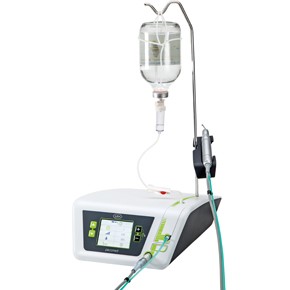
W&H Implantmed SI-923
A W&H Implantmed SI-923 készülék fogsebészeti, implantológiai, valamint száj-, állkapocs-, illetve arcsebészeti területen történő felhasználásra szánt sebészeti fúrógép.
Az implantáció során az érzéstelenítést követően a fogorvos egy lyukat fúr az állkapocscsontba. A különböző méretű fúrók segítségével eltérő méretű lyukakat tudunk fúrni, egészen addig, amíg el nem érjük a kiválasztott implantátumnak megfelelő átmérőt.
Az Implantmed LED lámpája kivételesen pontoson világítja meg a száj belsejét, a műtéti területet, ezáltal tökéletes feltételeket biztosít az orvos számára az implantátumok behelyezéséhez. Amint a megfelelő átmérőjű lyuk elkészült, kezdődhet a második fázis, mely során behelyezzük az implantátumot az állkapocscsontba. A csontfúrás során hő képződik. Ezért nagyon fontos a folyamatos hűtés a műtét során. A legtökéletesebb furat megteremtéséhez a fúrók ideális fordulatszáma, valamint a csontra kifejtett nyomatéka egyaránt biztonságosan beállítható ezzel a modern W&H Implantmed SI-923 implant motorral.
SA-320 Piezomed (W&H) minimál invazív csontsebészeti eszköz ismertetése
A Suba Dentál műszerparkjában megtalálható a Piezomed (W&H), amely ma már a modern, minimál invazív szájsebészet elengedhetetlen kelléke. Ennek a sebészeti műszernek a működését, kezelés közbeni érzetét a szájban úgy kell elképzelni, mint az ultrahangos fogkőtisztítást. Egy nagyon hasonló hangú, ultrahangos rezgésű hegyet érint a szájsebész a csonthoz, ami a magas frekvenciájú rezgései által minimál invazívan vágja a csontot. Leegyszerűsítve ez a Piezo műszer egy rezgőmozgást végző szike, ami képes a csontot vágni a csontpótlásos műtétek, és egyéb keményszöveti beavatkozások (foghúzás, rezekció stb.) során.
Csontot a szájban kétféleképpen lehet vágni:
Osstell Beacon implantátum stabilitás mérése
Az implantátum behelyezése az állcsontba történik. A behelyezett implantátum 3-6 hónap alatt osszeointegrálódik, beépül a csontba. Egy régen eltávolított fog helyén érett csont található, aminek a csontsűrűsége, állaga teljesen más, mint egy friss csontpótlásé, ezért nem egyforma a behelyezett implantátumok stabilitása sem. Az implantátum koronát vagy implantátum hidat, csak stabil, jól becsontosodott implantátumra szabad felhelyezni. Az Osstell implantátum stabilitásmérő digitálisan kijelzi, hogy milyen stabil az implantátum a csontban egy ISQ számmal (ISQ: Implantátum stabilitás hányados). Ha az ISQ érték nagyobb, mint 70, akkor kiváló az implantátum stabilitása, a fogorvos folytathatja a munkát és elkészítheti a fogpótlást!
Működése egyszerű, becsavarunk egy SmartPeg nevű felépítményt az implantátumba, hozzáérintjük a mérőműszert, ami digitálisan jelzi a stabilitás mértékét. Amennyiben nem megfelelő az implantátum stabilitása, akkor javasolt még 3 hónapot várni, míg befejeződik a teljes osszeointegráció.
A W&H Implantmed SI-923 készülék fogsebészeti, implantológiai, valamint száj-, állkapocs-, illetve arcsebészeti területen történő felhasználásra szánt sebészeti fúrógép.
Az implantáció során az érzéstelenítést követően a fogorvos egy lyukat fúr az állkapocscsontba. A különböző méretű fúrók segítségével eltérő méretű lyukakat tudunk fúrni, egészen addig, amíg el nem érjük a kiválasztott implantátumnak megfelelő átmérőt.
Az Implantmed LED lámpája kivételesen pontoson világítja meg a száj belsejét, a műtéti területet, ezáltal tökéletes feltételeket biztosít az orvos számára az implantátumok behelyezéséhez. Amint a megfelelő átmérőjű lyuk elkészült, kezdődhet a második fázis, mely során behelyezzük az implantátumot az állkapocscsontba. A csontfúrás során hő képződik. Ezért nagyon fontos a folyamatos hűtés a műtét során. A legtökéletesebb furat megteremtéséhez a fúrók ideális fordulatszáma, valamint a csontra kifejtett nyomatéka egyaránt biztonságosan beállítható ezzel a modern W&H Implantmed SI-923 implant motorral.
SA-320 Piezomed (W&H) minimál invazív csontsebészeti eszköz ismertetése
A Suba Dentál műszerparkjában megtalálható a Piezomed (W&H), amely ma már a modern, minimál invazív szájsebészet elengedhetetlen kelléke. Ennek a sebészeti műszernek a működését, kezelés közbeni érzetét a szájban úgy kell elképzelni, mint az ultrahangos fogkőtisztítást. Egy nagyon hasonló hangú, ultrahangos rezgésű hegyet érint a szájsebész a csonthoz, ami a magas frekvenciájú rezgései által minimál invazívan vágja a csontot. Leegyszerűsítve ez a Piezo műszer egy rezgőmozgást végző szike, ami képes a csontot vágni a csontpótlásos műtétek, és egyéb keményszöveti beavatkozások (foghúzás, rezekció stb.) során.
Csontot a szájban kétféleképpen lehet vágni:
- Forgóműszerekkel hagyományosan a sebész „elfúrja” a csontot vagy lyukat fúr bele.
- Piezóval minimál invazívan, melynek során, minimális csontot fúr el a sebész
- Nagyobb biztonsággal végezhetőek el a különböző sebészeti beavatkozások, pl.: sinus lift, fogeltávolítás, gyökércsúcs-rezekció, fogágybeteg fog gyökerének tisztítása, tasaktisztítás.
- A csont vágása során, amennyiben a piezo hegye hozzáér a szomszédos lágyszövetekhez, nem sérti, roncsolja azokat. Ha hagyományos forgóeszközökkel vágjuk a csontot, és a sebész véletlenül „hozzáér” a lágyszövetekhez, mint például a nyelv, az íny, az arcüreg hártyája (Schneider membrán), izmok, erek, idegek, a fúró feje azonnal „belekap” a lágyszövetbe, felcsavarja, kiszakítja azt.
- A piezosebészet során a szájsebész könnyedén rendkívül pontossággal tudja kontrollálni a piezo hegyével végzett csontvágást.
- A piezosebészet a legmodernebb minimál invazív sebészetnek számít, mivel a csontvágás során minimális mennyiségű csontot vág át a sebész, ezért a beavatkozások utáni gyógyulási idő rövidebb, lényegesen szövetbarátabb a működési elve, mint a forgóműszerekkel végzett csontpótlások esetében.
- A Piezomed olyan modern piezosebészeti eszköz, amely képes automatikusan felismerni a belehelyezett vágóhegyeket az optimális működés és a maximális hatékonyság érdekében.
- A Piezomednek speciális LED-gyűrű világítása van, amely kiválóan megvilágítja a sebészi területet.
- A csontvágó hegyek ultrahangos rezgése hőt termel a csont felületén, amit a Piezomed kézidarabba beépített sprayrendszer tökéletesen hűt a piezosebészet közben.
- Rendkívül drága maga az eszköz.
- Az ultrahangos rezgés nem „viszi”, roncsolja olyan gyorsan a csontot, mint a hagyományos csontfúrók, ezért sok sebésznek nincs türelme vele dolgozni.
Osstell Beacon implantátum stabilitás mérése
Az implantátum behelyezése az állcsontba történik. A behelyezett implantátum 3-6 hónap alatt osszeointegrálódik, beépül a csontba. Egy régen eltávolított fog helyén érett csont található, aminek a csontsűrűsége, állaga teljesen más, mint egy friss csontpótlásé, ezért nem egyforma a behelyezett implantátumok stabilitása sem. Az implantátum koronát vagy implantátum hidat, csak stabil, jól becsontosodott implantátumra szabad felhelyezni. Az Osstell implantátum stabilitásmérő digitálisan kijelzi, hogy milyen stabil az implantátum a csontban egy ISQ számmal (ISQ: Implantátum stabilitás hányados). Ha az ISQ érték nagyobb, mint 70, akkor kiváló az implantátum stabilitása, a fogorvos folytathatja a munkát és elkészítheti a fogpótlást!
Működése egyszerű, becsavarunk egy SmartPeg nevű felépítményt az implantátumba, hozzáérintjük a mérőműszert, ami digitálisan jelzi a stabilitás mértékét. Amennyiben nem megfelelő az implantátum stabilitása, akkor javasolt még 3 hónapot várni, míg befejeződik a teljes osszeointegráció.



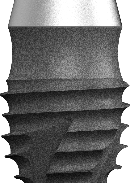
INNO Submerged Fixture
COWELLMEDI INNO fogászati implantátum
Cowellmedi Co., Ltd. egy dél-koreai vállalat, amely az implantológia és regeneratív fogászat területén jelentős múlttal és fejlesztési háttérrel rendelkezik. A Cowellmedi termékek és szolgáltatások világszerte több, mint 70 országban érhetők el.
Fogászati implant-rendszerük a COWELLMEDI INNO: többféle testformát, csatlakozást és felületkezelést tartalmazó család, amelyet mind egyszerűbb pótlásokhoz, mind többtagú híd- vagy overdenture-ellátáshoz alkalmaznak. Az implantátumok anyaga titánium Grade 4-es.
A termék nemzetközi elismerést kapott a biztonsági és minőségmenedzsment rendszerre vonatkozóan, CE, FDA, ISO és MFDS tanúsítvánnyal rendelkezik.
Ha implantátum-rendszer kiválasztásról van szó, a Cowellmedi INNO erősségei az innováció, a költséghatékonyság és a rugalmasság.
A Cowellmedi INNO fő előnyei
- Kiváló ár-érték arány (jelentősen olcsóbb, mint a svájci vagy német rendszerek)
- Nagyon jó felület (SLA-SH®) és gyors csontosodási potenciál
- Sokoldalú választék (különféle menettípusok, rövid és keskeny variánsok)
- Megbízható CE/FDA/ISO megfelelőség
1. Kiváló felületkezelés – gyorsabb osseointegráció
• Az INNO implantátum egyik fő előnye a gyártó által alkalmazott „SLA-SH®” (Sandblasted, Large-grit, Acid-etched & Super-Hydrophilised) felületkezelés: a durva homokfúvás + savmaratás + magas hidrofilitás eredményeként az implant felülete elősegíti a csontsejtek tapadását és csont-implantátum kontaktust (BIC) (“Bone Implant Contact”).
• A vizsgálatok szerint az INNO implantum felületi érdessége egységesen ~1,9 µm körül van, stabil mikrofelépítéssel és nagyon jó nedvességfelvételi tulajdonsággal, ami kedvez a korai csontosodásnak.
• Ennek köszönhetően az implantátum alkalmas lehet például azonnali beültetéshez, vagy rövidebb gyógyulási idővel történő protetikai terheléshez is.
2. Sokoldalú alkalmazhatóság – különböző klinikai helyzetekhez
• Az INNO rendszeren belül több variáns létezik (Submerged, Internal, External, Short, Narrow, X-modell stb.), így különböző csontminőségű, csontmennyiségű és anatómiai viszonyokhoz igazítható.
• A rendszer tervezése során figyelembe vették olyan eseteket is, mint például friss foghúzás utáni beültetés, sínnel vezérelt implantáció, azonnali terhelés, szinusz-emelés mellett történő implantáció.
• A menetzsákok, csatlakozások, abutment (felépítmény) variánsok tekintetében is széles választék áll rendelkezésre, ami rugalmas protetikai tervezést tesz lehetővé.
3. Jó mechanikai stabilitás és konstrukciós kialakítás
• A menetrendszerkezet („thread design”) optimalizálva van, a különböző kialakítások segítik a primer stabilitást még kevés csontkvalitású régiókban is.
• A felület mechanikai integritását a gyártó tesztelte, a vizsgálatok szerint az INNO implant felület mikrostruktúrája jól tűri a forgatónyomaték-terhelést anélkül, hogy elcsúszna vagy károsodna.
• A csatlakozás (implant-abutment interface) konstrukciójára is figyeltek: például „tapered hex connection with dual contact” kialakítás, ami csökkenti a mikromozgást, és ezáltal a csontvesztés esélyét.
4. Tanúsítványok és minőségbiztosítás
• Az INNO implantum olyan tanúsítványokkal rendelkezik, mint CE, ISO 13485, amerikai FDA bejelentés — melyek alátámasztják a termék biztonságát és nemzetközi elismertségét.
• A gyártó több mint 30 év kutatási háttérrel, valamint folyamatos minőség-ellenőrzéssel fejleszti az implantrendszert.
5. Esztétikai és protetikai előnyök
• A kialakítás során figyelmet fordítottak a nyaki rész, a puha szövet adaptáció és a periimplantáris kötőelem (periost) integrációjára. Ez hozzájárulhat a csontszint megőrzéséhez, és így a jobb esztétikai eredményhez különösen az elülső régióban.
• A rendszer kompatibilis digitális protetikai munkafolyamatokkal, implantációs sablonokkal, laboratóriumi komponensekkel, ami segíthet a modern implantációs tervezésben.
INNO Submerged Fixture
Az implantátum csontszintig vagy csontszint alá helyezhető.
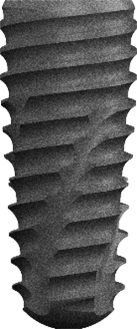
INNO Internal Fixture
Az implantátum nagyrészt csontban, kis részben a lágyszövetben használható.
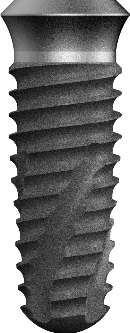
INNO Sub. Short Fixture
Alacsony csontkínálat esetén kiváló megoldás.